From our rivers to birds’ nests: how pet flea treatments are impacting the environment
What’s the link between our waterways, our dogs, and the decline of our songbirds? Learn about pet paraciticides and chemical pollution with this guest blog by Emma Phipps from SongBird Survival
21/07/26
With the warmer months in full swing, many pet owners are thinking about protecting their animals from fleas and ticks. For many years treating monthly has been seen as a routine part of responsible pet care – but in protecting our pets, are we are also inadvertently damaging the wider environment.
A hidden source of pollution
For years, scientists have documented how a cocktail of chemicals is polluting UK rivers, many of them toxic to aquatic life. While pesticides are often associated with farming or gardening, there’s another, less obvious source: the treatments we apply directly to our pets.
Many common spot-on flea and tick treatments contain the pesticides fipronil and imidacloprid - fipronil is classed as a persistent “forever chemical,” while imidacloprid is so toxic that just one teaspoon could kill 1.25 billion honeybees. Although both pesticides have been banned for agricultural use in the EU, they are still widely used in pet treatments and are increasingly detected in the natural environment – including in water samples taken from rivers.
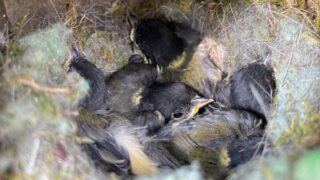
Recent research from the University of Sussex, commissioned by SongBird Survival, examined blue tit and great tit nests and found that every single one contained insecticides. Fipronil was detected in all nests studied, and imidacloprid in over 80%. In total, between two and eleven different chemicals were detected per nest.
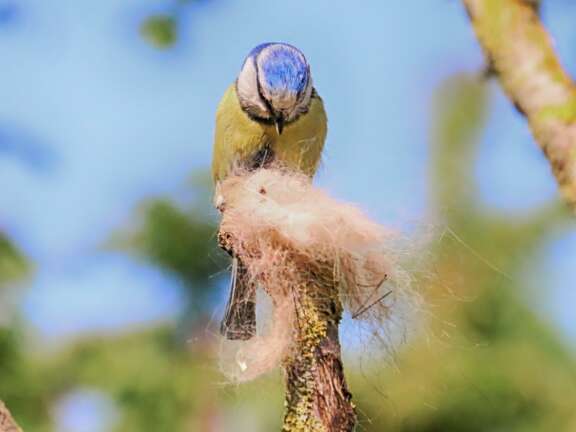
So how do pesticides get into birds’ nests? Well, many birds use animal fur to line their nests. and the study found that pesticides can transfer from nesting material into eggs and chicks, with higher concentrations linked to increased mortality rates.
Impacts on ecosystems
The problem doesn’t stop there. These chemicals are also entering rivers, especially in urban areas, where in-water concentrations often exceed safe limits. This is having a knock-on effect on aquatic insects, with studies showing declines of up to 90% in species like mayflies and caddisflies as imidacloprid levels rise.
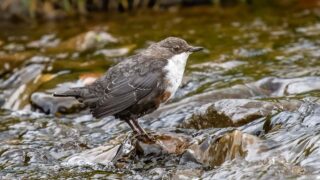
These insects play a vital role in supporting biodiversity, so their loss can trigger cascading effects through the ecosystem. Songbirds such as dippers and grey wagtails, for example, often seen hopping along riverbanks and wading in shallow streams, rely on these insects for food. Combined with other threats, as their main food source dwindles these birds are finding it harder to breed successfully. Both species are now struggling, with population declines of 52% and 11% respectively from 1995-2024.
How can we make change happen?
SongBird Survival recently partnered with charities Buglife and WildFish to write to Defra regarding this issue. The letter signed by The Rivers Trust, along with over 30 other conservation organisations and academics, called for a number of changes around how these pesticides are regulated. The full letter, featured in an article by The Guardian, is available to read here.
Encouragingly, the Veterinary Medicines Directorate is looking into the potential of restricting how pet products containing fipronil and imidacloprid are sold, while the House of Lords is gathering evidence on how veterinary parasiticides are affecting the environment. Outcomes expected later this year could influence how these treatments are used and regulated in future.

Simple steps that can make a difference
So, what can pet owners do now? Small changes can make a real difference.
- Avoid swimming: if you use a spot-on treatment for your dog, don’t let it swim in rivers or other water sources. Studies have found that fipronil and imidacloprid can remain on fur for up to 28 days.
- Dispose of pet fur carefully: if you treat your pets, avoid leaving their fur outside where birds may collect it for their nests.
- Always pick up dog waste: remember to pick up, bag and bin your dog’s poo, both on walks and in your garden. Even tablet-based flea treatments can enter the environment through animal waste.
- Speak to your vet: ask about the most appropriate approach to flea and tick treatment. If your pet is at low risk, treatment may not always be necessary or could be limited to certain times of year.
Looking after our pets is essential, but so is protecting the wildlife and freshwater environment around us. By being more aware of the wider impact of flea and tick treatments, we can take simple steps that help safeguard both.
Blog author Emma Phipps is the Scientific Research and Impact Manager at SongBird Survival, which is the only charity dedicated solely to reversing the decline of the UK’s songbirds. The charity works to change the future of songbirds by funding research into the causes of the decline and creating solutions.
References
Hadley, M. et al., (2026) Occurrence, patterns and previously overlooked sources of three veterinary ectoparasiticides in rural and urban Welsh rivers. Environmental Pollution, 394
Miller, J. et al., (2020) Common insecticide disrupts aquatic communities: A mesocosm-to-field ecological risk assessment of fipronil and its degradates in U.S. streams. Science Advances, 6(43)
Tank, P. et al., (2026) Ubiquitous presence of pesticides in feathers of common UK birds. Environmental Science and Pollution Research, 33, pp. 7059-7069
Tassin de Montaigu, C. et al., (2025) High prevalence of veterinary drugs in bird's nests. Science of The Total Environment, 964
Tassin de Montaigu, C. et al., (2026) Transfer of veterinary parasiticides from the fur lining bird’s nest to eggs and chicks. Environmental Science and Pollution Research, 33, pp. 7070-7081
Wildlife and Countryside Link (2023) Toxic chemical cocktails found at over 1,600 river and groundwater sites across England. Available here: https://www.wcl.org.uk/toxic-chemical-cocktails-in-rivers-across-england.asp

Join our newsletter
Sign up to receive our supporter newsletter and get monthly updates on our work, campaigns, news (and future competitions!) directly to your inbox.